
By Ogochukwu Agha
African real estate stakeholders have called for stronger institutions, transparent policies and innovative financing mechanisms to bridge the continent’s housing investment gap and improve access to affordable homes.
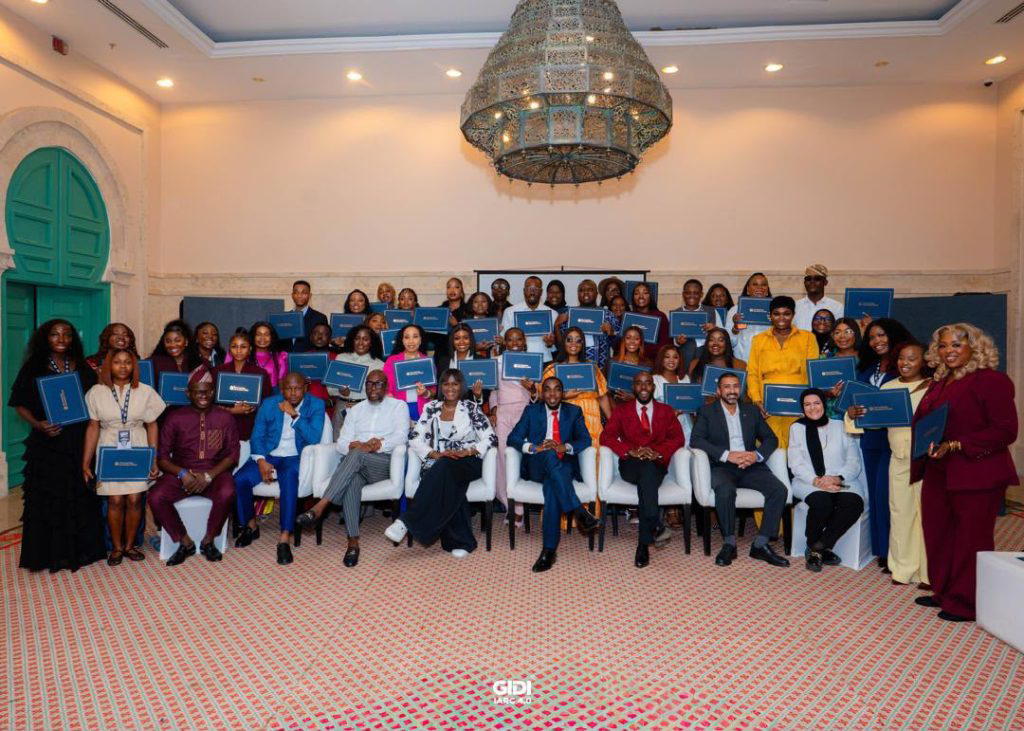
They made the call at the fourth GIDI Intra-Africa Real Estate Conference, GIDI IARC 4.0, held in Sharm El-Sheikh, Egypt, on November 2 and 3, 2026.
The conference, with the theme, Building Africa: Bridging the Funding Gap in African Real Estate, brought together industry leaders, investors, developers and financial experts to examine factors limiting investment in the continent’s housing sector.
Participants identified weak institutional structures, inadequate access to long-term capital, policy uncertainty and poor corporate governance as some of the challenges undermining the capacity of developers to attract investment and deliver affordable housing projects.
At the first panel session, titled, Mapping Africa’s Real Estate Funding Gap and Mobilising Capital for African Real Estate, the Chief Executive Officer of The GIDI Company Limited, Tobi Akerele; Dr. Nero Ughwujabo; Dr. Roland Igbinoba; Dr. Tarek Madany; and Dr. Summy Smart Francis examined strategies for mobilising capital for the sector.
The session was moderated by the Chief Operating Officer of GIDI, Ayorinde Ejioye.
In his presentation, From Sales to Capital: The Realtors’ Role in Bridging Africa’s Funding Gap, Akerele argued that real estate professionals must move beyond property sales to play a more active role in mobilising investment.
He said realtors could help aggregate verified housing demand, connect developers with financially qualified buyers and facilitate partnerships between property companies, financial institutions and investors.
He also stressed the need for due diligence, financial transparency and responsible customer engagement to strengthen confidence in the real estate market.
Similarly, Ejioye highlighted the importance of institutional capacity and corporate governance in attracting long-term investment into African real estate businesses.
He identified auditable financial records, effective risk management, technology adoption, clear business strategies and specialised professional expertise as critical requirements for investment readiness.
According to him, developers seeking to expand their operations must strengthen their internal structures and management systems to meet investors’ expectations.
On his part, Managing Director of Pinecone Strategy Limited, Dr. Nero Ughwujabo, examined the relationship between government policies, social inclusion and investment mobilisation.
He argued that governments and developers must translate policy objectives into credible investment opportunities through clear risk-sharing arrangements, appropriate project structures and predictable institutional frameworks.
Ughwujabo also underscored the importance of affordable housing, community participation and cross-border partnerships in developing projects that deliver both commercial returns and social benefits.
Managing Director of Global Appraisal Tech and Adjunct Professor at the American University in Cairo, Dr. Tarek Madany, identified professional valuation and reliable market information as essential to strengthening investor confidence.
His presentation examined how credible property valuation, transparent market data and internationally recognised professional standards could help investors distinguish actual risks from perceived or incorrectly priced risks.
The second panel session, Building Stronger Housing Finance Markets, focused on financing structures and institutional arrangements required to improve access to homeownership across African countries.
Participants included Chief Executive Officer of AXP Africa, Joy Coker, and Deputy Chief Executive Officer of Egypt’s Social Housing and Mortgage Finance Fund, Hala Ghazi El-Helaly, who represented the Fund’s Chief Executive Officer, Dr. May Abdel Hamid.
The discussions centred on alternative financing models, mortgage-market development, housing affordability and collaboration among governments, developers, lenders, investors and real estate professionals.
Coker examined the potential of alternative capital structures, including institutional investment, private credit, housing funds and blended finance, while highlighting the safeguards required to protect investors and ensure sustainable funding.
Egypt’s participation also provided an institutional perspective on social housing and mortgage financing, particularly the role of public institutions in improving access to homeownership among low- and middle-income earners.
Beyond the panel discussions, the conference featured a practical financing workshop organised in collaboration with the Onsi Sawiris School of Business Executive Education of the American University in Cairo.
Facilitated by Madany, the workshop examined development cash flows, financing structures and investment decisions using a residential development case study.
It demonstrated how a real estate project could be commercially profitable but still experience funding shortages during the construction phase because of cash flow constraints.
The programme also featured the Africa Real Estate Deal Room, designed to provide a platform for presenting investment opportunities to prospective investors and strategic partners.
The organisers said the fourth edition was part of efforts to strengthen professional engagement, investment partnerships and knowledge exchange across Africa’s real estate markets.
They maintained that bridging the continent’s housing funding gap would require coordinated action involving investment-ready businesses, transparent financial information, supportive government policies and financial institutions capable of connecting available capital with viable development projects.



No comments yet. Start the conversation.