
By Onyeka Ezike
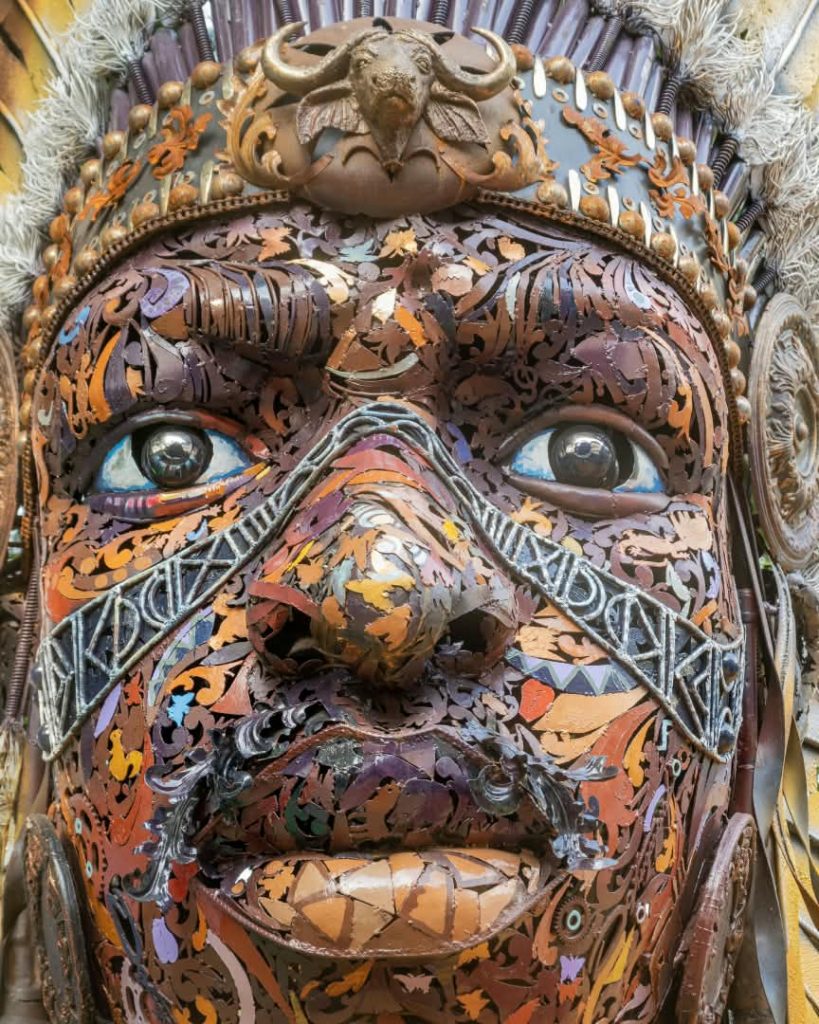
Only in December, does Lagos truly embody its motto, “Eko for show.” Throughout the month, the city’s calendar fills with events including performances, film and book launches, and exhibitions. With so many possibilities for entertainment and cultural exploration, Lagosians indulge their creative side by putting on elaborate performances and shows, wear outrageous costumes and make appearances all around the city. During this month, event spaces and galleries become magnets for the artistic set and along with other attractions transform the fashionable districts of Lagos into runways. Now in its second year, ARTFrikanity aims to capitalise on Lagos’s creative energy and celebrate the arts with a 1 month long, multidisciplinary festival.
Set to run from December 1 to 28, ARTFrikanity will feature over 40 artists and designers from Nigeria and across the African continent including Benin, Cameroon, Ghana, Morocco and Senegal. It will include sculpture, painting and installations, as well as live performances, wearable art and film. Alongside these events, there will also be panel discussions, screenings and private viewings. This will provide artists the opportunity to network with other artists, as well as collectors and patrons.
A major attraction of this year’s edition is the participation of Jimoh Buraimoh as Special Guest Artist. Buraimoh is one of Nigeria’s pioneering contemporary artists, noted for his innovative use of beads as art material. His use of beads in art expanded the scope and possibilities of contemporary African art and have helped broaden frontiers in the definition of African art. Works of other prominent artists from Nigeria including Chinze Ojobo, Dotun Popoola, Duke Asidere, Fidelis Odogwu and John Madu will also be featured in the exhibition.
But ARTFrikanity is not limited to painting and sculpture. For example, Nkwo Onwuka uses fabric and textile design in an innovative way to challenge traditional notions of sustainability and waste in the fashion industry. Onwuka designs transform and give a new life to old and worn out fabrics. She is also the producer of the NKWO label and Dakala cloth.
Sustainability becomes part of the festival’s artistic conversation through her work. Given the difficulties the fashion industry faces in incorporating sustainable practices, textile upcycling offers the potential to curb wasteful and excessive practices in the industry. Onwuka’s work beautifully fuses the fields of fashion, art and design to create a body of work that is both aesthetically appealing and responsible to the environment.
This crossing of boundaries is one of the ideas behind the festival. ARTFrikanity presents different kinds of art and in particular displays wearable art alongside painting and sculpture. These explorations of different disciplines may extend and enrich our understanding of artistic expression. The theme of the festival is beauty, energy and ‘huemanity’ and as such, encourages appreciation of artistic experimentation with various methods, techniques and materials to produce art that communicate truths within the African cultural experience.
Toyin Laoshe, the Creative Director of the festival, believes that the abundance of creativity within an individual offers potential to cross cultural boundaries and further encourages engagement between individuals. She attributes creativity with the ability to integrate sustainability and increase positive impact in the society as an approach to winning trust and establishing lasting relationship within the community.
In attempting to achieve these, Laoshe believes it may also strengthen art and fashion industry in Africa and the diaspora. Though recent years have brought more global recognition of African artists and designers, converting this recognition to consistent and sustained commercial success remains elusive. Artists have been passionate about exchanges, collaborations and initiatives that would better articulate their cultural ideas, strengthen and resource the creative industry and impact the society.
ARTFrikanity aims to aid this process with conversations and private viewings to bring artists in contact with collectors and curators. The festival offers an opportunity for artists from different countries to meet, interact and exchange ideas.
The venues on Victoria Island, with Space: 1699, Sanusi Fafunwa Street as the main location, will be hosting the festival for four weeks.
Lagos audiences will have the opportunity to see a wide range of artistic expressions and experiments from various parts of the continent during the festival run. As is the case with every December in Lagos, numerous cultural activities are expected to take place in the city. ARTFrikanity hopes to capitalise on this diversity to attract visitors to their shows. From Buraimoh’s earliest expressions of art to Onwuka’s textile reclamation, various art forms and expressions will be showcased.
What remains to be seen is whether the interactions and stimulations facilitated by the festival will continue after the celebration and help artists in turning the temporary excitement and buzz of exhibition into an enduring network and market for their art and crafts.



No comments yet. Start the conversation.