

…canvasses equity, fairness in governance dtructure
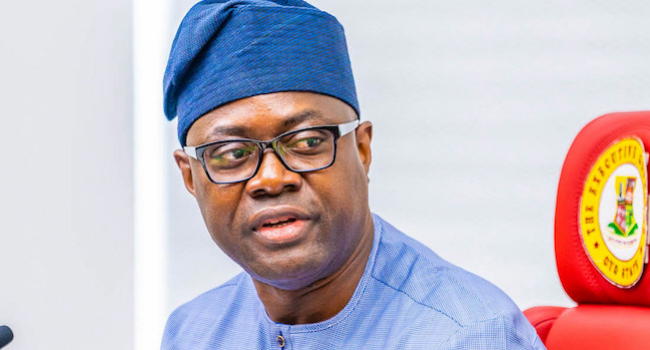
Ahead of the phased introduction of the proposed ECOWAS single currency (ECO) beginning in 2027, Olayemi Cardoso, Governor of the Central Bank of Nigeria (CBN), has restated Nigeria’s commitment to the establishment of the ECOWAS Monetary Union, while canvassing equity, fairness and proportional representation in its governance structure.
Cardoso reaffirmed Nigeria’s longstanding support for the regional integration project, stressing that the country remained committed to the successful establishment of the ECO.
He, however, argued that regional solidarity and respect for the sovereign equality of member states must be balanced with the financial commitments, responsibilities and risks borne by individual countries.
The CBN governor made the position last friday, on behalf of Nigeria at the ministerial session of the sixth presidential task force .eeting on the ECOWAS dingle currency programme in Abidjan, Côte d’Ivoire.
The meeting, comprising finance ministers and central bank governors of member states, focused on accelerating preparations for the proposed currency and resolving critical institutional and governance questions.
Cardoso described the gathering as a defining milestone in the monetary integration process, noting that discussions had centred on the institutional architecture of the proposed union, including the location of its institutions, leadership appointments and the allocation of authority and responsibilities.
“The decisions we take today will shape the future of the Union for decades to come,” Cardoso told delegates, warning that the outcome would determine the union’s credibility with investors and development partners, its legitimacy among citizens and the confidence of member states in the institutions they are helping to build.
He said Nigeria had demonstrated its commitment through substantial financial contributions, sustained technical support and compromises made in the broader interest of regional consensus.
The governor nevertheless maintained that countries with larger economies and greater financial responsibilities should receive fair consideration in the governance of institutions they help finance and sustain.
“While bigger economies continue to take up the burden, they should also be considered to play a significant role because of the risk and systemic importance they have in the sub-region,” he said.
Cardoso stressed that Nigeria’s position was not driven by a desire for dominance or entitlement, but by the responsibility arising from its status as the region’s largest economy and one of the principal contributors to the proposed monetary union.
He noted that Nigeria would commit substantial financial resources, reserves and institutional capital to the project, arguing that its obligations should be matched by meaningful participation in decision-making.
“Where obligations are shared but influence is not, arrangements may be agreed, but their long-term sustainability may be difficult to guarantee,” he added.
The CBN governor urged delegates to approach the deliberations with openness, mutual respect and a willingness to compromise, expressing confidence that a balanced governance framework could be achieved.
He also called for arrangements that would ensure every member state had a tangible stake in the union’s success, without leaving any country bearing disproportionate obligations without a corresponding voice.
The ECO is intended to deepen economic integration across West Africa, facilitate cross-border trade and payments, and reduce the cost of currency conversion among member states.
The project has faced repeated delays over economic convergence, institutional readiness and political consensus. Under the current roadmap, the phased introduction of the currency is expected to begin in 2027, subject to the region’s preparedness and agreed convergence requirements.
The Abidjan meeting provided an opportunity for member states to advance discussions on the institutional and governance arrangements considered essential to establishing a credible, sustainable and mutually beneficial monetary union.
- State Police: What Tinubu’s National Policing Bill must get right
- CAF returns to profitability with $31.2m profit as revenue hits $284m
- Yuletide travel: Tour operators barred from live-posting tourist locations under new NATOP safety rules

Onyinye Nwachukwu is the Abuja Bureau Chief of BusinessDay, overseeing coverage across Abuja and Northern Nigeria. With more than two decades of experience in economic and financial journalism, she reports on business, policy, and market trends, linking local developments to the global economy. A fellow of the International Monetary Fund (IMF) and recipient of the P. Vishwanathan Memorial Award for Excellence in Financial Journalism, she is known for her insightful storytelling and interviews with senior policymakers, diplomats, and business leaders. Well traveled and globally minded, Onyinye brings depth and international perspective to her reporting.



No comments yet. Start the conversation.