

Profession teething in a green market with a need for major boardroom buy-in.
In 2020, Zoweh Global Consult published its first survey of coaching in Ghana and six years on, our follow-up asks how far the profession has travelled. The answer is encouraging: the market is still in its teething stage, a clear message of potential and opportunity for corporate leaders and their boards.
Of the 122 respondents in the latest 2026 survey, 75% say coaching in Ghana is more professional than in 2020, and 61% say it is more visible. Three in four expect demand to rise over the next five years; only one person expects it to fall. Seven in ten report a significant or moderate positive impact from coaching. That optimism extends beyond Ghana. The International Coaching Federation (ICF) counted a record 122,974 coaches worldwide in its 2025 Global Coaching Study, and found the Middle East and Africa the most optimistic region, with 71% of coaches expecting growth.
Although 92.6% of respondents say the market is maturing, “the proof of the pudding is in the eating”: nearly two-thirds have more than a decade of professional experience, 17% are coaches or consultants, and 72% have been coached. These are people close to the profession. Those who have never been coached had little reason to answer a coaching survey, so their voices are largely missing.

ICF’s 2026 Global Consumer Awareness Study, conducted by PwC among more than 25,000 consumers in 26 markets, offers a useful benchmark. Globally, 74% have heard of coaching, yet only 27% picked the correct definition from a list, and a third mistook it for mentoring. The lesson applies at home. In our experience, most Ghanaian managers and staff have never been coached, and many would struggle to say how coaching differs from training, advice or counselling. Even among our well-informed respondents, one in eight chose a mistaken or uncertain definition.
Respondents say as much. Lack of awareness was the most-cited barrier to organisational use of coaching (37%), followed by cost and unclear benefits (20% each). Difficulty finding a qualified coach came last, named by just three people. The constraint is not a shortage of coaches. Too few decision-makers understand what coaching does and what it is worth; this is where awareness creation, visibility, coaching dialogues, and research on the impact of coaching on ROIs and return on expectation (ROEs) come in.
While 91% of respondents rate coaching as valuable for leadership development, only 52% say their organisation uses it, and nearly half work in organisations that do not or are unsure. ICF sees the same pattern: interest is high, yet only 24% of consumers have ever been coached.
Who opens the door matters too. Worldwide, two-thirds of coached consumers pay their own way or rely on family; fewer than three in ten have employer funding. In our sample, the workplace was the most common route in: about a third were coached through their employer, against one in eight who hired a coach privately. In Ghana, employers hold the key to wider access.
For organisations, the best starting point is a leadership pilot of 10 to 20 managers with clear goals, measure progress at three and six months, and report results to the executive team. Set a minimum standard for coaches, including recognised certification, so quality is never left to chance, as 85% of our respondents and 77% of consumers worldwide rate certification as important.
For coaches, the task is to speak the language of the boardroom, translating confidence, self-awareness and leadership growth into retention, team performance and decision quality, backed by evidence of impact. Respondents expect youth development coaching to grow fastest after leadership coaching, a signal worth heeding in a nation with a young workforce.
A note on method: respondents opted in, largely through professional networks, so the findings describe an informed, experienced group rather than the wider workforce. Even a random sample of this size would carry a margin of error of about nine percentage points.
The direction, however, is clear: demand exists, belief is growing, and professional coaches are available. What is missing is understanding in the corporate boardroom and self-sponsorship will. Ghana’s coaching market is still in its teething stage, and it is ready for more coaches and more organisations to take part.
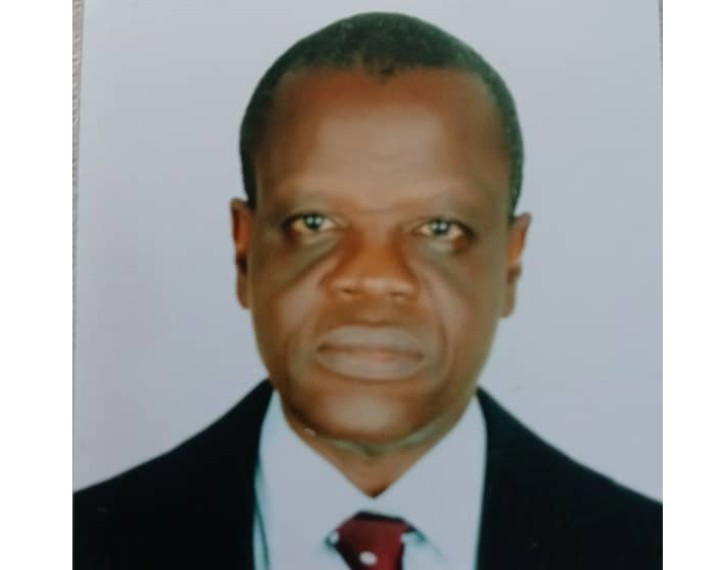
By Scofray Nana Yaw Yeboah, MCC, ACTC, MCS, FInstCM, and Afia Boatemaa Sarpong
Scofray Nana Yaw Yeboah, MCC, ACTC, MCS, FInstCM, is a Transformational Executive and Team Coach and the lead consultant at Zoweh Global Consult, which conducted the survey. Ghana’s first ICF Master Certified Coach, he is also the first Ghanaian Advanced Certified Team Coach and the first Ghanaian to hold ICF’s Mentor Coach Specialisation at all three credential levels. He served as founding President of the ICF Ghana Chapter and founded Neuro-Emotional Intelligence Training (NEIT )
Afia Boatemaa Sarpong is an Author | Researcher | Faculty Intern, Ashesi University


No comments yet. Start the conversation.