
- The CBN and NCC have warned that cybercriminals are increasingly using artificial intelligence to launch sophisticated attacks
- The NCC has introduced a cybersecurity framework requiring telecom operators to strengthen their security systems within 12 months
- The CIBN has urged banks to invest in cyber protection, train employees and share security information to tackle growing threats
Legit.ng journalist Victor Enengedi has over a decade's experience covering energy, MSMEs, technology, banking and the economy.
The Central Bank of Nigeria (CBN) and the Nigerian Communications Commission (NCC) have warned that cybercriminals are increasingly using artificial intelligence (AI) to carry out sophisticated attacks targeting individuals, businesses and financial institutions.
The regulators raised the concern at the 2026 Annual Cybersecurity Conference of the Information Security Society of Africa-Nigeria (ISSAN) in Lagos.
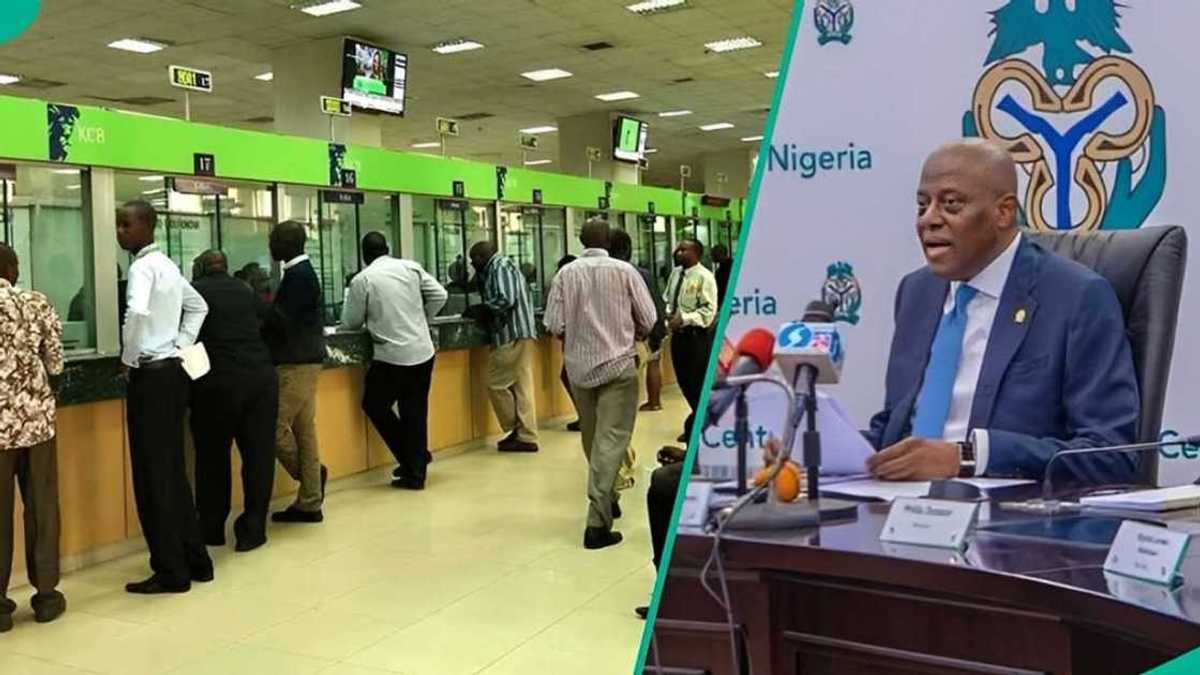
 CBN, NCC Expose How Cybercriminals Are Using AI to Defraud Nigerians
Source: UGC
The conference, themed “Cybersecurity: Balancing Risk, Resilience and Responsibility in the AI Era,” brought together industry stakeholders to discuss emerging digital security threats and ways to strengthen cyber resilience.
AI making cyberattacks more sophisticated
Speaking at the event, the Director of the CBN's Risk Management Department and Chief Risk Officer, Dr Blaise Ijebor, said AI was making cybercrime easier by allowing criminals to launch complex attacks faster and on a larger scale.
He explained that cybercriminals could use the technology to generate convincing phishing messages, clone human voices, create fake identities and automate different stages of cyberattacks.
Ijebor cited an investigation by AI company Anthropic, which estimated that AI carried out between 80% and 90% of a reported cyber-espionage operation targeting approximately 30 organisations.
He urged financial institutions to strengthen identity verification systems, ensure security checks are not bypassed under pressure and regularly test their backup and emergency response arrangements.
The CBN official also called for clear accountability in the deployment of AI, noting that the technology could equally improve cybersecurity through suspicious transaction detection, abnormal behaviour monitoring and faster responses to security incidents.
“AI is not the enemy of cybersecurity. Poorly governed AI is,” he said.
NCC moves to strengthen telecoms security
Representing the NCC Executive Vice Chairman and Chief Executive Officer, Dr Aminu Maida, the Director of its Lagos Zonal Office, Tunji Jimoh, warned that weaknesses in telecommunications infrastructure could expose critical sectors to cyberattacks.
He said such vulnerabilities could disrupt financial services, healthcare, energy and other essential areas of the economy.
Jimoh disclosed that the commission introduced a Cyber Resilience Framework for the telecommunications industry in February 2026, followed by additional implementation guidelines in August.
According to him, the framework aims to achieve full compliance across the industry within 12 months.
He urged telecommunications operators to adopt zero-trust security measures, continuously monitor threats, report security incidents and strengthen cybersecurity oversight, particularly among third-party technology providers.
Banking sector urged to improve cyber resilience
Also speaking, the President of the Chartered Institute of Bankers of Nigeria (CIBN), Dr Dele Alabi, called for greater commitment to cybersecurity across financial institutions.
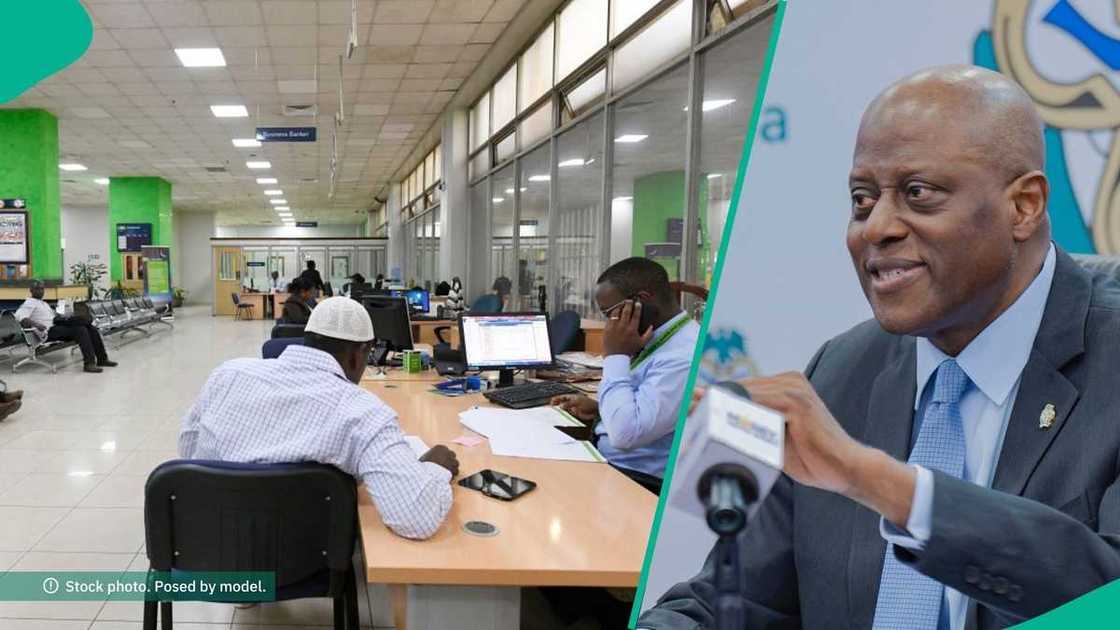 CBN, NCC Expose How Cybercriminals Are Using AI to Defraud Nigerians
Source: UGC
He urged bank boards to prioritise investments in cyber resilience, while management teams should incorporate cybersecurity risks into major business decisions.
Alabi also emphasised the need for employees to comply strictly with security procedures and encouraged stronger partnerships and intelligence sharing among industry stakeholders to tackle emerging threats.




No comments yet. Start the conversation.