
By Ayo Onikoyi
Nigerian filmmaker and creative entrepreneur, Ekene Som Mekwunye, has called for stronger protection of human creativity and intellectual property rights amid the growing influence of artificial intelligence (AI) in the global creative industry.
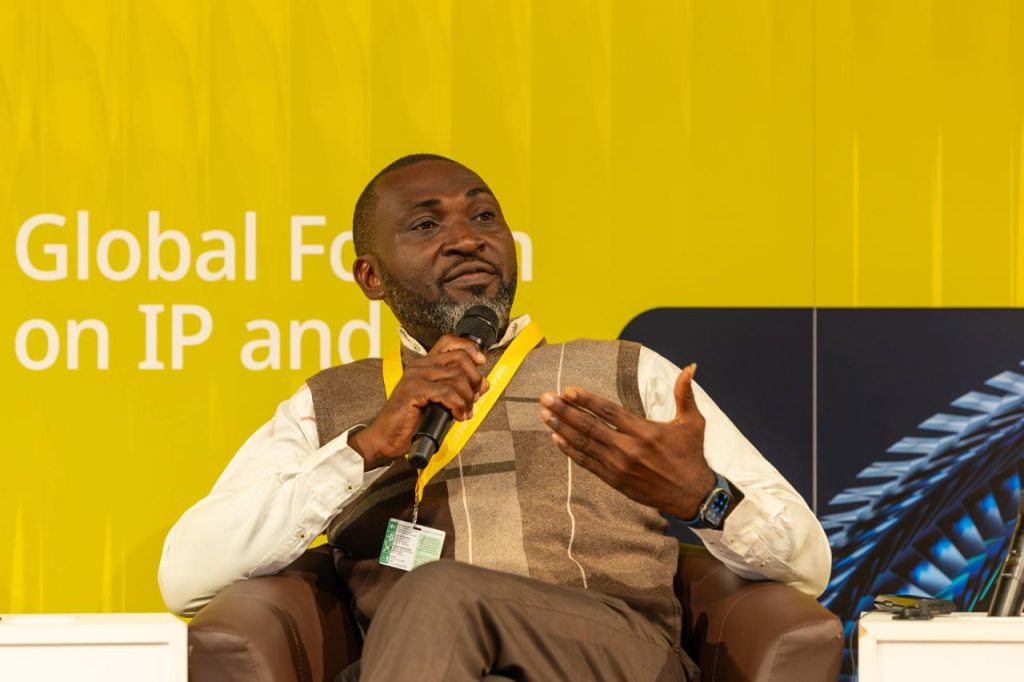
Mekwunye made the call while speaking at the inaugural Global Forum on Intellectual Property and Artificial Intelligence, organised by the World Intellectual Property Organization (WIPO) in Geneva, Switzerland.
The two-day forum, held on November 9 and 10, 2026, brought together policymakers, government representatives, legal practitioners, academics, technology innovators and creative industry leaders from across the world to examine the impact of AI on innovation, authorship and intellectual property ownership.
Founder and Creative Director of Riverside Productions, Nigeria, Mekwunye was among the speakers at a high-level panel session titled “The Human in the Center – Authorship and Inventorship in the Age of AI.”
The discussion examined how intellectual property laws should recognise and protect human contributions as generative AI increasingly becomes part of creative and innovative processes.
Drawing from his 15 years of experience in filmmaking and nine years as an adjunct faculty member at Pan-Atlantic University, Lagos, Mekwunye stressed that the adoption of AI tools should not diminish the recognition of the individuals behind creative works.
He argued that although technology could accelerate production processes and expand creative possibilities, human vision, imagination, judgment and cultural understanding remained essential elements of authorship.
“The fact that a creator uses a tool to produce something does not automatically make that tool the author,” he said.
He further emphasised the need for intellectual property frameworks that would protect creators from losing control over works they had invested time and resources in developing.
According to him, issues surrounding consent, licensing, attribution, transparency and compensation must receive adequate attention, particularly where existing creative works are used to train AI systems or influence the generation of new content.
Mekwunye also highlighted the need for African countries to participate actively in shaping international policies and standards governing AI and intellectual property.
He noted that Nigeria’s film, music, publishing, fashion and visual arts industries had established a growing presence in the global creative economy, making it imperative for the continent to protect its cultural assets and develop sustainable ways of commercialising intellectual property.
He maintained that African creators should not remain passive consumers of technologies and regulatory frameworks developed elsewhere but should contribute to decisions that would determine the future of their industries.
The filmmaker also called for stronger collaboration among governments, creative professionals, educational institutions and technology companies to ensure that technological advancement does not undermine the rights and livelihoods of creators.
The panel was moderated by Egyptian appellate judge and senior legal adviser, Mohammad Elzend. Other speakers included Claudia Catelin, Director of Policy at The Publishers Association, United Kingdom; Eva Janečková of the University of Bristol Law School; James Malackowski, Senior Managing Director of Ocean Tomo, United States; Anna Tumadóttir, Chief Executive Officer of Creative Commons; and Christian Wichard, Deputy Director General at Germany’s Federal Ministry of Justice and Consumer Protection.
Mekwunye’s participation brought an African film industry perspective to the international discussion, which examined the implications of AI for creators, businesses and intellectual property institutions.
Following the session, several participants reportedly engaged him on the issues raised, with discussions opening opportunities for further interaction with international academics, legal practitioners, technology entrepreneurs and creative industry professionals.
Beyond filmmaking, Mekwunye has increasingly focused on research, education and policy discussions around creative enterprise, emerging technologies and intellectual property development.
His participation at the WIPO forum underscores the growing importance of African representation in international conversations shaping the future of the creative economy, particularly as AI continues to transform content production, ownership and distribution.



No comments yet. Start the conversation.