

- The price of a 50kg bag of cement in Nigeria has surged to as high as N15,000 in July 2026, up from N3,500 in 2021
- Dealers say transportation costs, rising diesel prices, electricity bills and foreign exchange pressures are driving retail prices higher
- The 329% increase over five years has pushed up construction costs for individuals and small-scale developers across Nigeria
Legit.ng journalist Dave Ibemere has over a decade of experience in business journalism, with in-depth knowledge of the Nigerian economy, stocks, and general market trends.
The cost of a 50kg bag of cement in Nigeria reached between N13,000 and N15,000 in July 2026, up roughly 329% from the N3,300 to N3,500 buyers paid in 2021, according to available market price data.
The steep increase has added significant pressure to construction budgets, hitting individual homebuilders and small-scale developers the hardest.
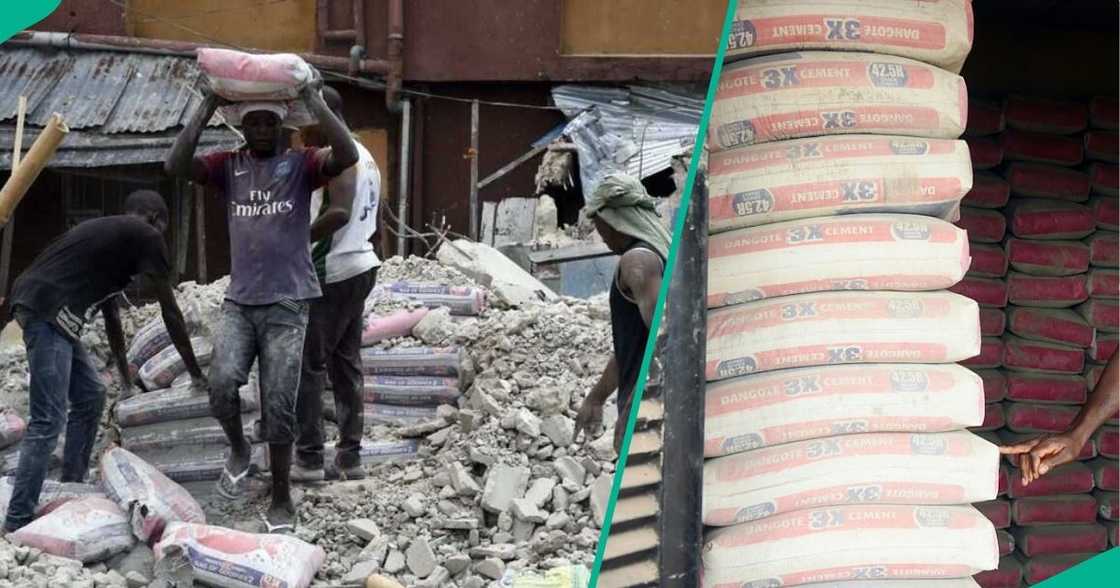 The price of cement has risen by 329% in five years
Photo: Bloomberg
Source: Facebook
How cement prices rose from 2021 to 2026
BusinessDay market data show that the price of a 50kg bag moved from N3,300–N3,500 in 2021 to around N4,600 in 2022, before rising to about N5,000 in 2023.
By 2024, buyers were paying between N7,500 and N8,500 per bag, while prices increased further to N9,500–N10,500 through most of 2025.
There was a brief period of relief at the start of 2026, when prices dipped slightly to between N9,300 and N9,700 in January.
However, the moderation did not last. By mid-2026, prices had climbed to between N10,500 and N13,000 before reaching N13,000–N15,000 in some markets by July 2026.
Year | Price of 50kg bag |
2021 | N3,300–N3,500 |
2022 | N4,600 |
2023 | N5,000 |
2024 | N7,500–N8,500 |
2025 | N9,500–N10,500 |
January 2026 | N9,300–N9,700 |
Mid-2026 | N10,500–N13,000 |
November 2026 | N13,000–N15,000 |
Why dealers say prices keep going up
Cement dealers point to a combination of factors behind the persistent increase in retail prices.
Operating costs across the supply chain have risen sharply, with transportation, energy and distribution expenses contributing to what consumers pay at the point of sale.
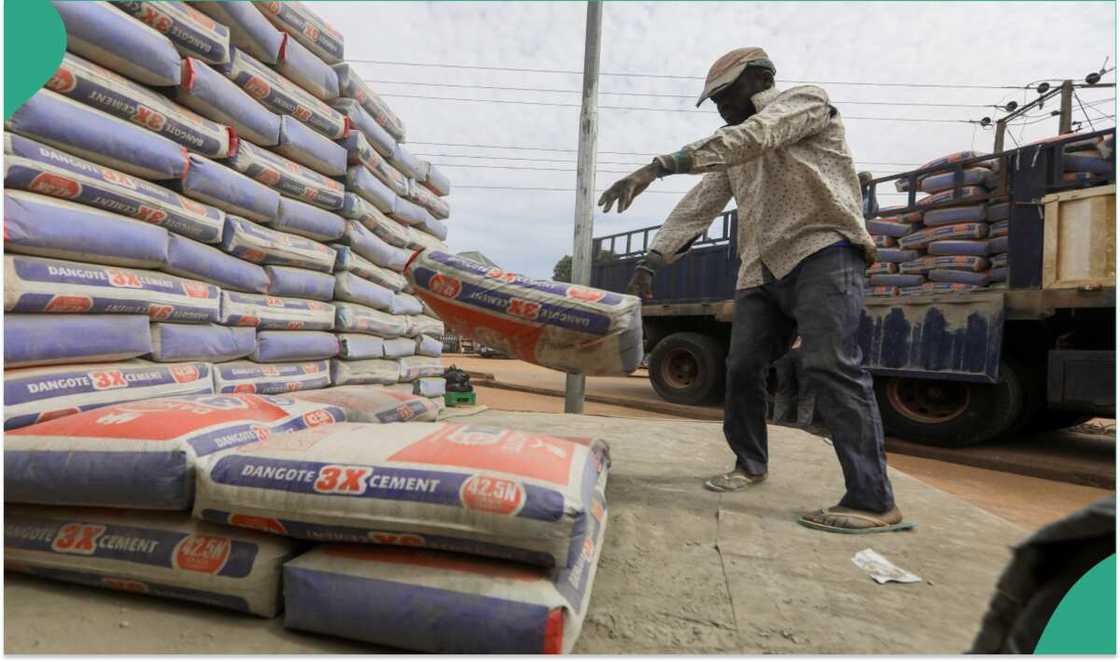 The cost of a 50kg bag of cement has increased sharply
Photo: AFP
Source: UGC
The industry's reliance on imported inputs also exposes it to foreign exchange volatility.
Machinery, spare parts and certain raw materials sourced from abroad become more expensive when the naira weakens, adding to production costs.
Higher diesel prices and electricity tariffs have further increased the cost of running cement plants and transporting products to markets.
Distributors and retailers pass these additional expenses on to buyers, leaving construction companies and private individuals with little room to absorb the increases.
FG asks cement manufacturers to lower prices
Earlier, Legit.ng reported that the Federal Government had appealed to cement manufacturers to consider reducing their prices as the rising cost of the building material continued to raise concerns.
The government warned that expensive cement was increasing the financial burden of infrastructure projects and driving up the cost of executing construction contracts.
The minister further said his ministry had received several requests from contractors seeking adjustments to existing agreements because higher cement prices had made project delivery more expensive.




No comments yet. Start the conversation.