
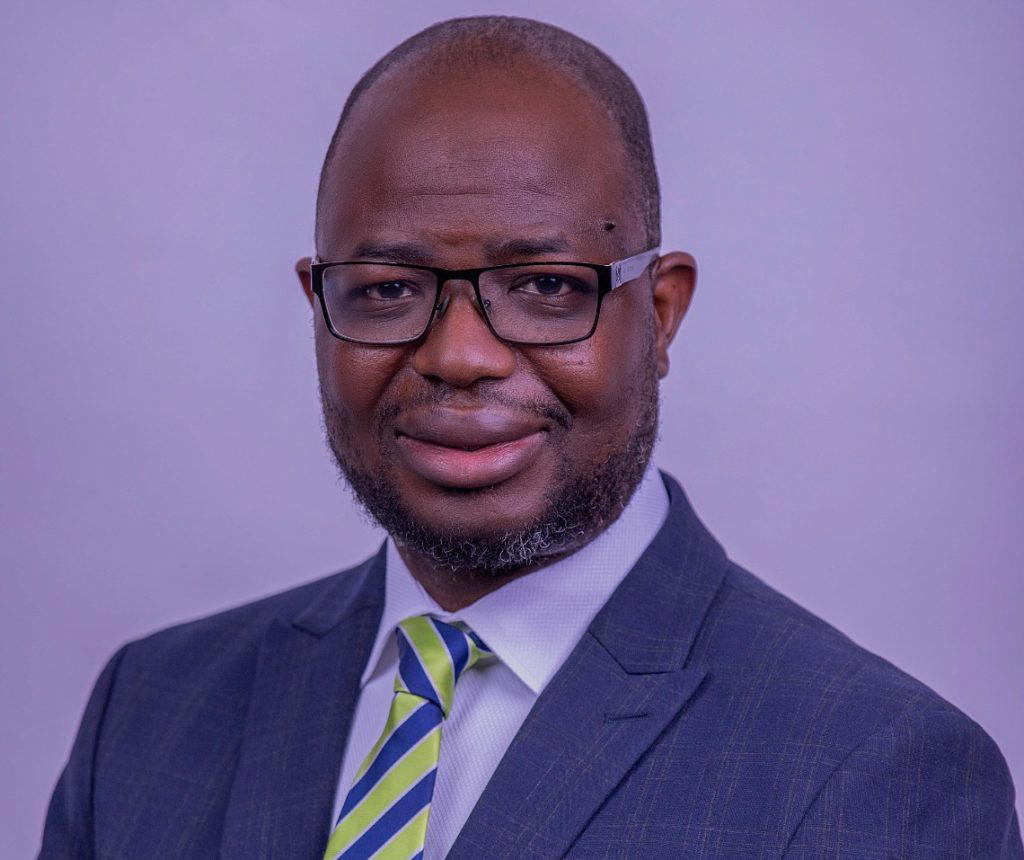
By Bernard M. Doro & Sharon Dimanche
When a family receives emergency assistance after conflict, displacement, flooding or economic hardship, the immediate objective is clear: save lives, protect dignity and meet urgent needs. The harder question is what happens next. Does that support simply help a family survive today’s crisis, or can it become the first step on a pathway towards recovery, resilience and economic independence? As IOM marks 25 years in Nigeria and 75 years globally, this is an appropriate moment not only to reflect on what has been achieved, but to consider what Nigeria’s humanitarian future should look like.
Our central proposition is simple: humanitarian assistance must remain available wherever lives and protection are at risk, but wherever conditions allow, it should also help create pathways from vulnerability to resilience, from resilience to opportunity, and from opportunity to lasting prosperity. Nigeria’s humanitarian context today is very different from what it was 25 years ago. Conflict and insecurity continue to uproot families. Flooding and climate shocks are disrupting livelihoods. Rapid urbanisation is changing the pressures facing communities, while economic hardship means many families have little room to absorb another shock. At the same time, humanitarian financing is under pressure globally. This makes it even more important that every intervention does more than respond to an immediate need where that is possible. It should also help people become better able to withstand the next crisis.
This is at the heart of the Federal Government’s poverty graduation approach. The idea is not simply to provide support and then withdraw it. It is to connect assistance with a sequence of interventions that can help vulnerable households move towards greater self-reliance. Cash assistance may provide immediate relief, but when it is linked with skills, financial inclusion, productive assets, mentoring, access to markets and other support, it can become part of a much wider pathway out of poverty. The Government’s Renewed Hope Resilient Livelihood Pathways Programme is a practical example of this direction. The programme is designed to move vulnerable households from social assistance towards sustainable livelihoods and productive economic activity, with an initial target of 63,000 households. It reflects a broader shift towards social protection that is household-centred, better coordinated and focused not only on short-term support, but on lasting improvements in people’s lives.
The same principle applies to migration and displacement. Over the years, the Federal Government and IOM have supported Nigerians returning home from difficult and sometimes dangerous situations abroad. Experience has shown repeatedly that return is only the beginning. Sustainable reintegration depends on whether people can rebuild livelihoods, access skills and opportunities, reconnect with their communities and regain a sense of stability. For people displaced within Nigeria, the challenge is similar. Leaving a displacement site, returning home or relocating does not in itself mean that displacement has ended. People need safety, housing, livelihoods, access to schools and health services, and the confidence that they can rebuild their lives. This is why durable solutions need to become even more central to Nigeria’s humanitarian response. The objective should not simply be to manage displacement better, but wherever possible to help people move out of displacement altogether.
That also means recognising that humanitarian response cannot sit in isolation. The humanitarian, development and peace dimensions are closely connected. Emergency assistance can stabilise a family, but lasting recovery depends on functioning services, livelihoods, social cohesion, local institutions and investment. Federal, state and local authorities, development partners, the private sector, civil society and communities all have a role to play. International organisations must increasingly support and strengthen national systems, rather than build parallel structures around them. Climate change makes this even more urgent. Across Nigeria, flooding, land degradation and changing weather patterns are placing pressure on livelihoods and influencing how and why people move. These trends do not operate separately from poverty, insecurity or displacement. They often reinforce one another. Understanding mobility therefore has to become part of how Nigeria plans for climate resilience, urban development, livelihoods and disaster preparedness.
We also have far better information than we did 25 years ago, and we need to use it more effectively. IOM’s Displacement Tracking Matrix, implemented with government partners, gives us a much clearer picture of where people are moving, where they are returning and where vulnerabilities are increasing. In north-central and north-west Nigeria alone, the latest assessment identified about 1.3 million internally displaced people across 10 states, alongside nearly 450,000 returnees. In the north-east, DTM continues to track about 2.4 million internally displaced people and 2.3 million returnees across Adamawa, Bauchi, Borno, Gombe, Taraba and Yobe. Taken together, this means close to 3.7 million people are currently displaced across these 16 states, with around 2.7 million people having returned.
These are not simply numbers. They give Government and humanitarian partners a clearer understanding of where pressure is building, where people are beginning to rebuild their lives, and where earlier action could prevent vulnerability from becoming a deeper crisis.But the importance of this data is not simply in describing what has already happened. Its greater value lies in helping us see where vulnerability is building and act earlier. When displacement data is combined with climate information, local knowledge and early-warning systems, it can support better decisions before a shock turns into a humanitarian emergency. The next phase of humanitarian action must therefore invest more in prevention and anticipatory action, not only response.
The next 25 years should also change how we measure success. Shelters built, people reached and assistance delivered will remain important. But we should also ask whether a displaced family found a lasting solution, whether a vulnerable household developed a sustainable income, whether a returning migrant rebuilt a life at home, whether a community was better prepared for the next shock, and whether early action meant fewer people needed emergency assistance in the first place. Nigeria is too large, too dynamic and too important for its humanitarian future to be built around permanent crisis response. Our ambition must be bigger. We need a system that responds quickly when lives are at risk, but also creates credible pathways beyond assistance. A system that helps people rebuild rather than simply survive, links social protection to opportunity, anticipates risks earlier and gives people the tools to shape their own future. Twenty-five years of partnership between the Federal Government and IOM have shown what sustained cooperation can achieve. The next chapter should be about taking that partnership further: from relief to resilience, from resilience to opportunity, and from opportunity to lasting prosperity.
*Dr. Bernard M. Doro is Minister of Humanitarian Affairs and Poverty Reduction, Federal Republic of Nigeria, while Sharon Dimanche, is Chief of Mission, International Organization for Migration (IOM) Nigeria



No comments yet. Start the conversation.