
…World Bank-backed programme warns against spending without clear plans
By Joseph Erunke, Abuja
In a move aimed at improving the delivery of basic education and primary healthcare across Nigeria, the World Bank-assisted HOPE Governance Programme has trained 388 officials from the 36 states and the Federal Capital Territory on effective budget planning, costing and implementation.
The training, which brought together senior government officials responsible for budgeting, planning, basic education and primary healthcare, was designed to ensure that state budgets reflect development priorities and translate into better services for citizens.
The month-long capacity-building workshop, which began in October, is scheduled to end on Wednesday, November 4, 2026, with its timing deliberately aligned with preparations for the 2027 state budgets.
National Coordinator of the HOPE-GOV Programme, Dr. Assad Hassan, disclosed this in Abuja on Monday, stressing that effective public spending must be driven by clearly defined priorities rather than arbitrary budgetary allocations.
According to him, the programme is strengthening state institutions to align their Annual Operational Plans for Primary Healthcare with their Annual Consolidated Workplans for Basic Education and ensure that both are adequately reflected in their respective budgets.
He said the exercise also focused on the practical application of the National Chart of Accounts and programme-based budgeting, including project costing, mapping, geo-tagging and reconciling sector workplans with available budget ceilings.
Hassan said the training was particularly important to achieving Disbursement-Linked Indicator 2 (DLI 2) of the programme, which requires stronger coordination between planning, budgeting and implementation across the basic education and primary healthcare sectors.
“This workshop is designed to strengthen the capacity of state institutions to align their Annual Operational Plans for Primary Healthcare and Annual Consolidated Workplans for Basic Education with their respective budgets,” he said.
He explained that the participation of officials from different sectors was deliberate, noting that effective implementation required collaboration among institutions responsible for planning, finance, education and healthcare.
“Achieving the objectives of DLI 2 requires a coordinated, multisectoral approach. This is why the composition of participants is deliberate, bringing together key institutions and stakeholders from the Budget, Primary Healthcare and Basic Education sectors.
“Effective collaboration among these institutions is essential to ensuring that planning, budgeting and implementation are properly aligned,” Hassan said.
The national coordinator emphasised that government budgets should be measured by the development outcomes they deliver, rather than the volume of money allocated or spent.
“A budget should reflect what government intends to achieve, not simply what government intends to spend. Planning must drive budgeting, and budgeting must ultimately support service delivery,” he said.
He added: “A good plan without a budget is an aspiration; a budget without a plan is an invitation to inefficiency.”
Hassan said the programme was working to ensure that state governments properly cost their priorities, provide adequate funding and translate approved plans into measurable improvements in the lives of citizens.
“Every naira allocated should be linked to a clearly defined priority, and every priority should be supported by a realistic and actionable implementation plan,” he said.
The training also featured practical exercises using actual state government documents to identify and address state-specific weaknesses in planning and budgeting, with a view to improving the quality of public expenditure and implementation.
Participants included state permanent secretaries responsible for budget and planning, executive chairmen of State Universal Basic Education Boards, executive secretaries of State Primary Healthcare Development Agencies, state directors of budget and HOPE-GOV focal persons.
Other participants were desk officers of the Sector-Wide Approach Coordination Office across the states and officials of the FCT Health and Environment Secretariat.
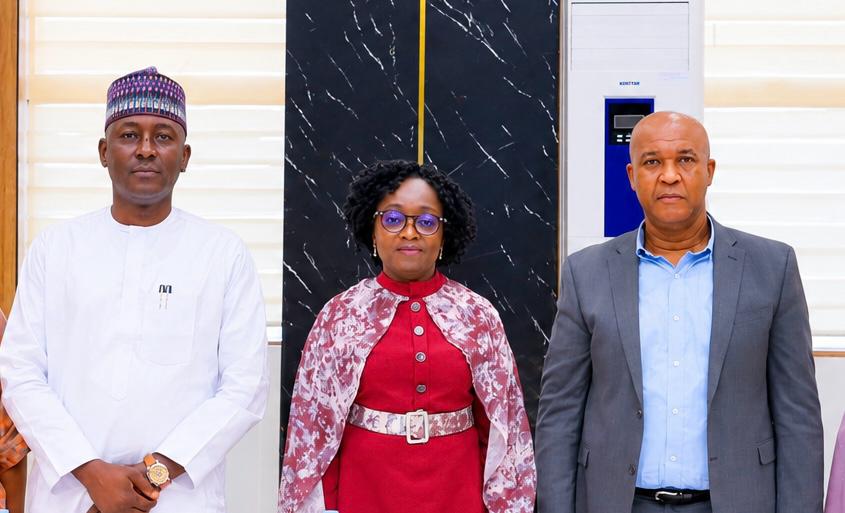
In her remarks, the Permanent Secretary, Federal Ministry of Budget and Economic Planning, Dr. Deborah O. N. Odoh, said the involvement of senior state officials was intended to ensure that the technical knowledge acquired during the workshop translated into institutional decisions and concrete improvements in budget preparation and implementation.
Odoh pledged the ministry’s commitment, through the HOPE-GOV Programme, to working with state governments and the World Bank to strengthen public financial management systems and improve the delivery of essential services.
She said sustained collaboration among the relevant institutions was necessary to ensure that budgetary decisions supported the effective implementation of government programmes in basic education and primary healthcare.
Also speaking, the World Bank Task Team Lead for the HOPE Governance Programme, Mr. Ikechukwu Nweje, disclosed that states stood to receive significant incentives upon achieving Disbursement-Linked Indicator 2.
Nweje reaffirmed the World Bank’s commitment to supporting state governments in implementing governance reforms aimed at strengthening service delivery in the two critical sectors.
The HOPE Governance Programme is a $500 million World Bank-assisted initiative domiciled in the Federal Ministry of Budget and Economic Planning.
It is designed to address governance, financing, transparency and accountability challenges affecting the delivery of basic education and primary healthcare services in Nigeria.


No comments yet. Start the conversation.