

- Japan's government published a full list of approved residence statuses that foreigners can apply for depending on their reason for staying
- The 24 categories cover a wide range of purposes, from professional and academic roles to family and cultural activities
- Nigerians and other Africans looking to relocate to Japan can find the status that matches their specific situation on the official list
Japan has released a comprehensive list of 24 residence statuses that foreign nationals can apply for, depending on the purpose of their stay in the country.
The Japanese government recognises that people come to the country for different reasons, and the residence status system is designed to reflect that. Whether someone is arriving to work in a specialised field, pursue education, join a family member, or engage in cultural activities, there is a designated category that determines what a person is permitted to do while living in Japan.
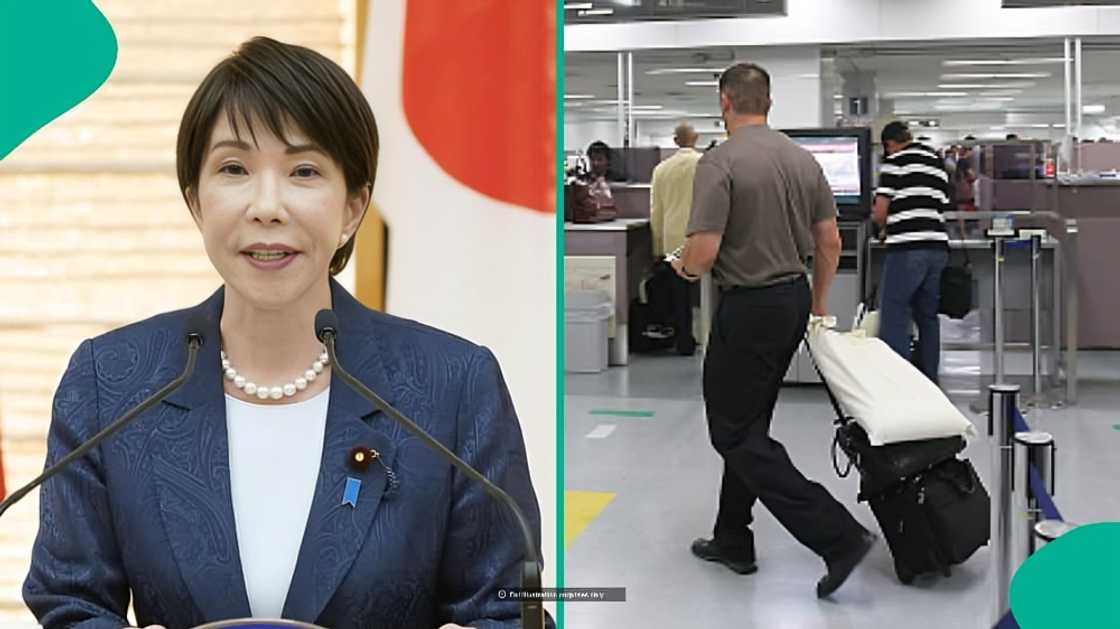 Japan names 24 statuses foreigners can apply for. Images for illustration purposes only. Photo Source: Getty Images/Kyodo News/ MediaNews Group/Boston Herald via Getty Images
Source: Getty Images
Below are all 24 residence statuses that Japan currently recognises for foreign nationals:
1. Diplomat
2. Professor
3. Artist
4. Religious activities
5. Journalist
6. Highly skilled professional
7. Business manager
8. Legal and accounting services
9. Medical services
10. Researcher
11. Instructor
12. Engineer, specialist in humanities and international services
13. Intra-company transferee
14. Nursing care
15. Entertainer
16. Skilled labour
17. Specified skilled worker
18. Technical intern training
19. Cultural activities
20. Temporary visitor
21. Student
22. Trainee
23. Dependent
24. Designated activities
What each Japan residence status means
Each status comes with its own set of conditions, including the type of work or activities a person is allowed to carry out and the length of time they may remain in the country.
Categories such as "highly skilled professional," "engineer, specialist in humanities and international services," and "specified skilled worker" are particularly relevant to those seeking employment-based pathways.
For those looking to study, the "student" status applies, while individuals joining family members already living in Japan would typically fall under the "dependent" category. The "designated activities" status is a broader catch-all that covers situations not specifically addressed by the other 23 categories, and is assigned on a case-by-case basis by Japanese immigration authorities.
Japan lists sectors foreigners can work in
Meanwhile, Legit.ng recently reported that Japan had identified 19 job sectors in which foreign nationals can work under its Specified Skilled Worker (i) programme. The visa allows eligible foreign workers to stay in the country for up to five years.
The report also highlighted the difference between the two categories, explaining that the second category has no upper limit on the length of stay and allows eligible workers to bring their family members to Japan.



No comments yet. Start the conversation.