
•Targets safer clean cooking
By Matthew Johnson
Nigeria has unveiled an ambitious digital framework for improving liquefied petroleum gas (LPG) cylinder safety, tracking and accountability on the international stage, as the country intensifies efforts to expand access to safe and affordable clean cooking solutions. The National Cylinder Recirculation Programme (NCRP), presented at the United Nations Climate Change Conference (COP31) in Antalya, Türkiye, is expected to strengthen cylinder management, reduce safety risks and create new opportunities for climate finance and investment in the clean cooking sector.
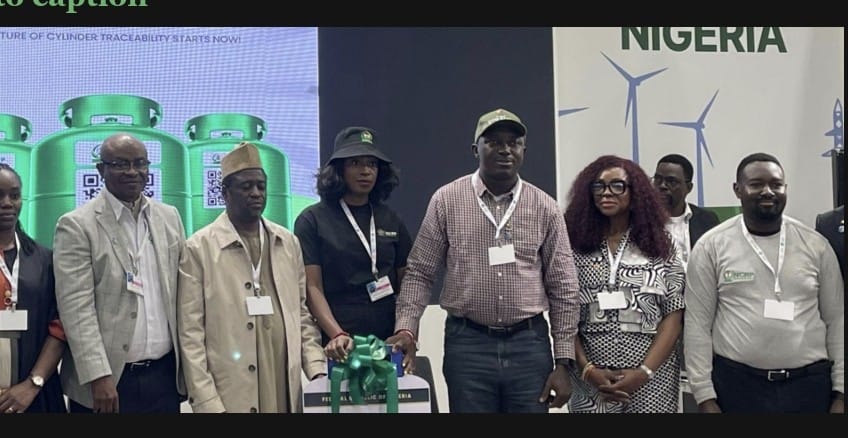
The programme was presented on November 12 at the Nigerian Pavilion in the Blue Zone of the COP31 Antalya Expo Centre, following its official national launch in Abuja on October 29. The presentation provided an opportunity for Nigeria to showcase its approach to LPG safety and clean cooking to international delegates, development partners, climate finance institutions and private investors.
Led by the Standards Organisation of Nigeria (SON), in partnership with the Nigerian Midstream and Downstream Petroleum Regulatory Authority (NMDPRA), the National Council on Climate Change (NCCC) and key industry stakeholders, the NCRP is designed to transform how LPG cylinders are registered, identified, inspected, tracked, requalified and recirculated across the country.
At the heart of the initiative is the National Cylinder Registry, a digital platform that will assign every registered cylinder a unique identity linked to a QR code. The system will enable stakeholders to access cylinder records and monitor critical activities throughout each cylinder’s lifecycle, including manufacture, ownership, inspection, refilling, movement, requalification and eventual retirement.
The digital tracking system is expected to strengthen public safety by making it easier to establish whether cylinders have undergone mandatory inspections and requalification procedures. It will also improve transparency and accountability across the LPG supply and distribution chain.
Beyond safety, the registry is expected to generate valuable data on LPG adoption, cylinder utilisation and refill activities. Subject to recognised carbon market methodologies, independent verification and relevant regulatory approvals, the information could help measure eligible emissions reductions and open opportunities for carbon project development and clean cooking finance.
Speaking at the event, Mr Manji Pious Lawan, Special Technical Adviser to the Director-General of SON, who represented the Director-General, Dr Ifeanyi Chukwunonso Okeke, described the programme as a significant intervention addressing Nigeria’s broader clean cooking, public health, environmental and economic development priorities.
“The National Cylinder Recirculation Programme is far more than a cylinder management initiative. It is essential infrastructure for clean cooking, public safety and climate accountability,” he said.
Lawan explained that implementation would proceed through stakeholder onboarding, digital registry integration and phased deployment across Nigeria’s six geopolitical zones.
The Nigerian presentation also featured a panel discussion titled, “Scaling Clean Cooking in Africa: Unlocking Safety, Traceability, Climate Finance and Investment.”
The session brought together government and industry representatives, including Mr Ademola Aderinto, Honourable Commissioner for Environment and Natural Resources, Oyo State; Mr Olamide Fagbuji, Senior Special Adviser to the President on Climate, Technology and Operations; Mrs Ayotola Jagun, Executive Director and Chief Corporate Services and Sustainability Officer, Oando PLC; and Chidera Ezigbo, Managing Director, Century1.
Moderated by Dr Bekeme Olowola, Chief Implementation Officer of the NCRP, the discussion examined the opportunities, challenges and policy requirements for accelerating clean cooking adoption across Africa.
Speaking on the dangers associated with unsafe LPG cylinders, Aderinto stressed that the consequences extend beyond household safety to public health, environmental protection and consumer welfare.
“Expired and substandard LPG cylinders contribute to air pollution, with consequences for public health, productivity and life expectancy. Beyond this, leakages from faulty cylinders increase emissions and create an economic burden for consumers, who end up paying more for gas they are unable to use. Participation in the NCRP presents an opportunity to reduce pollution and emissions while improving safety and helping households get better value for their money,” he said.
On the role of government policy and domestic gas supply, Fagbuji highlighted the need to create an enabling environment for private-sector participation in expanding clean cooking access.
“Nigeria’s energy transition plan has raised its ambition to increase domestic gas supply and impact over two million homes annually. The policy environment has created an enabling space for the private sector to take the lead and ensure long-term sustainability. Ultimately, what this represents is improved access to safe, reliable and affordable LPG for all,” he stated.
Jagun, meanwhile, called for stronger financial incentives and affordable funding mechanisms to accelerate LPG adoption and attract investment across the value chain.
“Tax relief and other incentives need to come in. There should be incentives that make it possible for households to receive cylinders at no cost, as well as opportunities for retailers to access carbon credits. There is also a need for cheaper financing to encourage the construction of LPG plants, which are significantly more expensive to build than CNG plants,” she said.
In her closing remarks, Olowola emphasised that safety, traceability, climate finance and investment must be pursued together if Africa is to achieve meaningful progress in clean cooking adoption.
“Scaling clean cooking in Africa depends on four things moving together: safety, traceability, climate finance and investment. Today’s discussion showed that none of them works alone, and the NCRP is designed to connect them,” she said.
Beyond its immediate safety objectives, the NCRP is expected to stimulate economic opportunities across several segments of the LPG value chain, including cylinder manufacturing, inspection, requalification, logistics, retail distribution and technology services.
Its digital registry and cylinder lifecycle management framework could also provide a model for other African countries seeking to strengthen LPG safety standards, improve market transparency and enhance accountability in their clean cooking programmes.
As Nigeria moves towards full implementation, stakeholder participation and the integration of cylinder records into the National Cylinder Registry will be critical to the programme’s success. The planned phased rollout across the country’s six geopolitical zones is expected to establish a nationwide framework for safer LPG distribution, improved consumer protection and greater confidence in Nigeria’s clean cooking transition.




No comments yet. Start the conversation.