
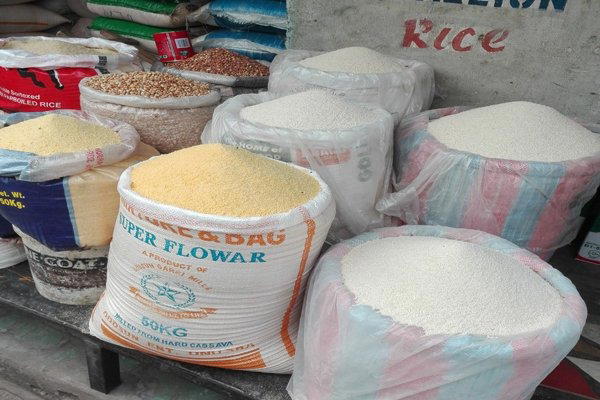
The report that some fruit vendors wash produce with detergent to make it sparkle is a very hazardous market trick. It is a betrayal of consumers who buy food for nourishment, and it demands investigation. Earlier Senate findings reported forced ripening with calcium carbide, detergent-washed produce, paracetamol added to meat, and banned Sudan IV dye in palm oil and pepper. NAFDAC has separately warned against pesticide misuse in stored grains, while lawmakers have investigated allegations involving chemicals in frozen foods and poultry.
The motive is profit: prolonging shelf life, disguising deterioration, accelerating ripening or making inferior produce appear fresh. Reported hotspots include open markets, storages and distribution chains. Authorities must establish the scale through inspections and laboratory tests rather than condemn every trader. Chemicals cited in warnings and allegations include dichlorvos, sold as Sniper, calcium carbide, formalin, sodium hydroxide, kerosene and banned dyes. Their uses and risks differ.
Detergents are formulated for fabrics, not food. They may contain surfactants, enzymes, builders such as phosphates or borates, fragrances, dyes and preservatives. These ingredients are not approved for washing food or for consumption. Swallowing residues can irritate the mouth and gut, causing nausea, vomiting and diarrhoea; concentrated exposure may cause corrosive injury, choking or breathing difficulties. Dichlorvos poisoning can cause dizziness, tremors, seizures, respiratory distress, coma and death. Formaldehyde is a known human carcinogen. Some of these dangerous additives are blamed for cancers, kidney failure, heart disease, respiratory failure and others. Risk depends on the chemical, dose and duration of exposure.
There is no reliable visual test for poisoned food. But unusual smells, unnatural colour, excessive shine or suspiciously prolonged freshness and the absence of flies around meat and fish products should justify caution. Do not taste suspect food. Wash fruit under clean running water, never detergent; discard rotten produce. Washing, parboiling and rinsing fruits and grains thoroughly may mitigate the presence of absorbed additives. Consumers should buy from reliable, traceable sellers, keep perishables refrigerated, avoid food suspected of chemical treatment and seek urgent medical care after suspected exposure; do not induce vomiting.
NAFDAC must test samples, trace suppliers, publish alerts and prosecute offenders. SON, agriculture and veterinary authorities, customs, health ministries, consumer-protection bodies and police must coordinate enforcement. State governments should establish their own food and drug safety units, and local councils should inspect markets and educate traders, working within national law and standards. Authorities should create confidential, accessible whistleblower channels, protect informants and investigate reports. Market associations, health workers, journalists, schools and community leaders must spread guidance. Government must provide safe storage alternatives, not merely raid stalls.
Consumers also have a duty: report suspicious practices and refuse unsafe bargains. Food must sustain life, not quietly endanger it. Protecting Nigerians requires science-led enforcement, honest trade and all hands on deck.




No comments yet. Start the conversation.