
By James Ogunnaike, Abeokuta
Religious and traditional leaders have been urged to take a firm stand against gender-based violence (GBV), with a call on them to deploy their influence, teachings and community institutions to challenge harmful cultural practices, promote gender equality and protect vulnerable members of society.
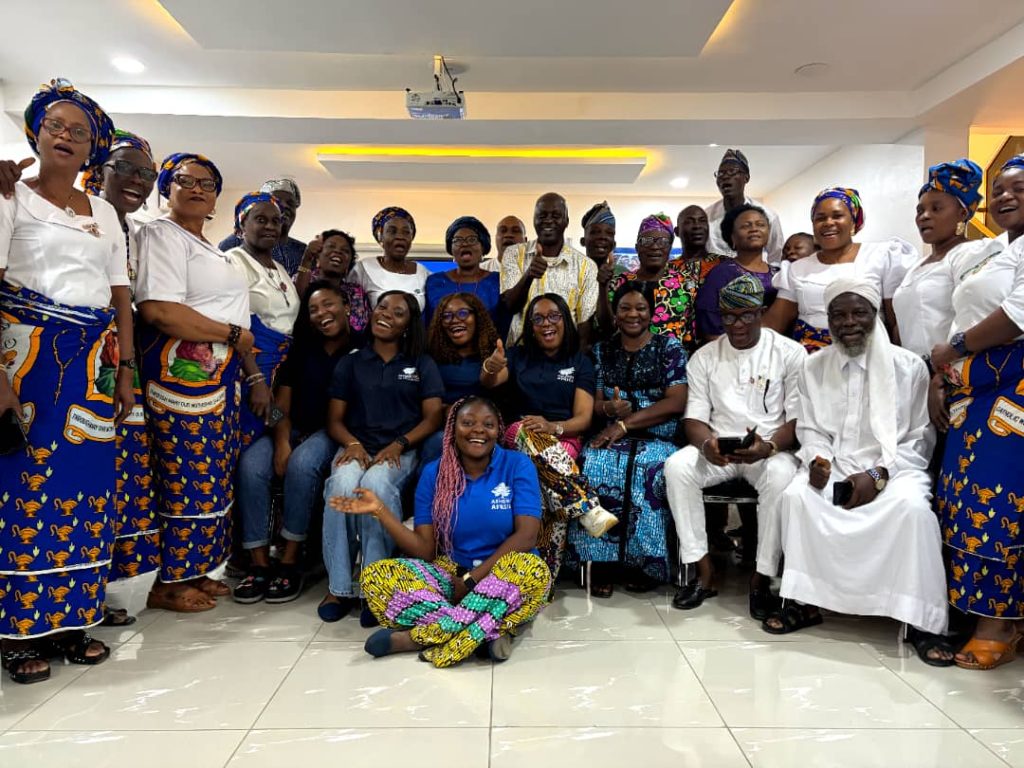
The call was made in Abeokuta, Ogun State, during a faith-based change-making training organised by Ashoka Nigeria, with the theme: “Guardians of Faith and Heritage: Mobilising Community Leadership for Primary GBV Prevention.”
Participants at the training, which included religious, traditional leaders, community leaders, and government officials, emphasised the need for sustained community engagement, cultural reforms and stronger collaboration among religious, traditional and community institutions to address the growing concern over gender-based violence.
Speaking at the event, Barr. Bunmi Ekundayo said religious and traditional leaders wield considerable influence over the beliefs, attitudes and behaviour of members of their communities and must, therefore, recognise their responsibility in preventing and ending violence.
She noted that leadership was not merely about titles, positions or authority, but also about service, responsibility and the ability to inspire positive change.
“People believe in us, and they trust us to provide guidance. Our status and leadership go beyond titles. We hold an important place in the hearts and minds of our people, as well as in their hopes and aspirations.
“That is why whatever change we expect to see must begin with us. This training is making us trainers of trainers. We must return to our communities and make a meaningful impact on people’s lives,” she said.
Ekundayo urged religious leaders to incorporate messages condemning gender-based violence into their sermons, religious teachings and marriage counselling sessions, while traditional rulers were encouraged to use their institutions and community platforms to confront harmful cultural practices and promote respect for human dignity.
She expressed concern over the tendency of some religious and community leaders to treat domestic violence as a private family matter, warning that such attitudes had contributed to the persistence of abuse and, in some cases, tragic consequences for victims.
According to her, advising victims to return to abusive relationships in the name of preserving their marriages, without addressing the underlying violence, could expose them to further danger.
“Sometimes, people come to us with complaints, and our response is simply: ‘Go and settle it. It is a husband-and-wife matter. Do not interfere. That is how marriage is; you just have to endure.’
“Unfortunately, we have witnessed situations where lives have been lost and people’s lives have been permanently destroyed because of such attitudes. When we remain silent in the face of gender-based violence, we inadvertently endorse it,” she said.
The lawyer stressed the need for religious and traditional leaders to distinguish between genuine religious teachings and cultural interpretations that reinforce harmful gender stereotypes.
She maintained that interventions in family disputes must be guided by fairness, truth and accountability rather than sentiments or practices that undermine the rights and dignity of victims.
Ekundayo also identified physical, sexual, emotional and psychological abuse, forced marriage, intimidation and controlling behaviour as forms of gender-based violence that community leaders must understand, recognise and address.
Contributing to the discussion, a community leader and community transformation strategist, Asiwaju Dapo Wahab, called for a comprehensive review of cultural practices and beliefs that promote male dominance and undermine the rights of women and girls.
“We need a cultural review. Traditional rulers, religious leaders and community leaders must come together to examine those cultural practices and beliefs that contribute to gender-based violence,” he said.
Wahab also called for intensified public enlightenment to correct the misconception that gender-based violence was limited to rape, explaining that it also included physical assault, emotional abuse, intimidation and other forms of harmful conduct.
He urged stakeholders to pay greater attention to drug abuse, which he identified as a factor associated with some incidents of violence in communities, and recommended that the issue be incorporated into the resolutions arising from the training.
Another participant called for fairness, objectivity and impartiality in handling domestic violence complaints, warning religious and traditional leaders against automatically blaming women or allowing gender stereotypes to influence their decisions when resolving marital disputes.
The discussions further underscored the importance of collaboration between religious and traditional institutions in promoting peaceful family relationships, protecting vulnerable members of society and strengthening community-based mechanisms for preventing and responding to abuse.
Speaking with journalists on the sidelines of the programme, Ashoka’s Global Venture Co-Leader and Regional Director for Anglophone West Africa, Josephine Nzerem, said the initiative was inspired by the organisation’s Everyone a Changemaker philosophy, which recognises that everyone has a responsibility to contribute to sustainable social change.
She explained that the training brought together religious leaders, traditional rulers, community leaders and mothers because of their strategic influence in shaping social attitudes, family relationships and community values.
Nzerem said that although providing support and protection for survivors of gender-based violence remained important, greater emphasis must be placed on preventing abuse before it occurs.
“When it comes to gender-based violence, many people focus on addressing the needs of survivors, whether women or men, and that is important. However, we believe that for our efforts to be systemic, sustainable and ultimately successful, we must also focus on prevention.
“The question is: How can we prevent gender-based violence before it happens?” she said.
She said Ashoka was working towards building an equitable society in which everyone, irrespective of gender, could freely express themselves, participate in decision-making and pursue their aspirations without fear of violence, discrimination or intimidation.
The Ashoka regional director challenged religious and traditional leaders to make advocacy against gender-based violence a regular part of their activities rather than waiting until victims approached them with complaints before taking action.
“They should not wait until someone comes to confide in them about an incident of abuse before taking action. Rather, they should incorporate messages against gender-based violence into their regular teachings and activities in churches, mosques and traditional institutions,” she said.
On the role of mothers in advancing gender equality, Nzerem described them as critical agents of social transformation, stressing the need to raise boys and girls with an understanding of mutual respect, equal opportunities and individual rights.
She maintained that children should not be restricted, discriminated against or disadvantaged on account of their gender, but should be encouraged to express themselves, make decisions and pursue their interests without discrimination.
The participants agreed that preventing gender-based violence required a collective commitment to changing harmful attitudes, challenging discriminatory traditions and building communities where women, men, girls and boys could live with dignity, safety and equal opportunities.




No comments yet. Start the conversation.