
By Christopher Ameh, Bauchi
The Republic of Korea (ROK), in partnership with the United Nations Children’s Fund (UNICEF), has recorded significant progress in reducing zero-dose children and improving routine immunisation coverage in Dambam Local Government Area of Bauchi State.
The achievement followed the implementation of the ROK-supported ZERO-IT initiative, which targets children who have never received routine vaccines and those who have not completed their immunisation schedules, particularly in rural and hard-to-reach communities.
Implemented in collaboration with the Bauchi State Primary Healthcare Development Board, the intervention has strengthened healthcare delivery through mobile outreach services, community mobilisation and improved capacity of primary healthcare workers.
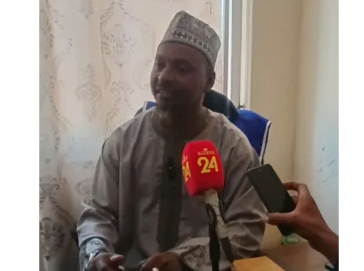
Speaking during a UNICEF-supported media field visit to Dambam, the Officer-in-Charge of Dambam B Primary Health Care Centre, Alhaji Fadami, said the initiative had significantly changed residents’ attitudes towards immunisation.
Fadami explained that integrating routine immunisation with nutrition screening, antenatal care and malaria prevention had reduced missed opportunities for healthcare services and encouraged more caregivers to visit health facilities.
He disclosed that the facility now records as many as 300 women bringing their children for immunisation monthly, attributing the improvement to the Mama-2-Mama community mobilisation programme.
According to him, caregivers who previously resisted vaccination campaigns now voluntarily visit health facilities and outreach centres.
“There is no more resistance to immunisation. We notice that children brought here hardly fall sick; they are very strong. People can now see the benefits and are giving testimonies to their neighbours,” he said.
Similarly, Chairman of Dambam A Ward Development Committee and member of the Fathers for Good Health (F4H) group, Abubakar Musa Suleiman Turaki, attributed the success to the involvement of traditional rulers, religious leaders and community structures in promoting immunisation.
He said engaging trusted community leaders in household sensitisation had helped address misconceptions and fears surrounding vaccination, thereby improving acceptance among residents.
Also speaking, Director of Dambam Local Government Primary Healthcare Authority, Mustapha Abubakar, said sustained outreach activities, mobile health services and ward-level monitoring had contributed to improved immunisation coverage.
He noted that the initiative had strengthened community ownership of primary healthcare delivery, with traditional and religious leaders playing important roles in mobilising families.
“What we did differently under this initiative is constant outreach supported by ROK, mobile services and the direct involvement of community structures at the ward level.
“Renewed community ownership will ensure no newborn in Dambam is left behind in the fight against vaccine-preventable diseases,” he said.
In his remarks, UNICEF Health Officer at its Bauchi Field Office, Patrick Akor, said the ROK initiative was designed to identify and vaccinate zero-dose and under-immunised children through targeted interventions.
Akor explained that Dambam was selected for the programme based on statistical indicators, including poor routine immunisation performance, the number of unvaccinated children and previous disease outbreaks.
He disclosed that the intervention had also strengthened healthcare workers’ capacity through the provision of immunisation cold-chain equipment to improve vaccine storage and transportation, particularly to hard-to-reach communities.
Akor further disclosed that Dambam had recorded encouraging disease-prevention outcomes, with no diphtheria cases reported since the commencement of the intervention.
He stressed the need to sustain the achievements, adding that UNICEF was working with government institutions to ensure that structures established under the initiative remained functional beyond the project’s implementation period.




No comments yet. Start the conversation.