
By Henry Ojelu
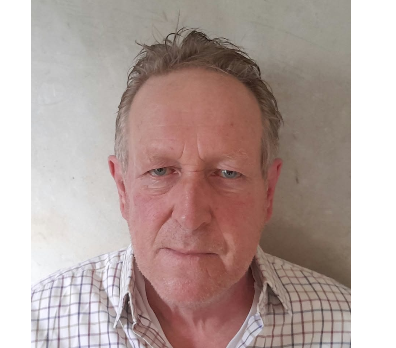
The Co-Executive Producer of the Pan-Africa podcast, Panel 54, Martin Minns has said Russia must translate its growing diplomatic and security engagement with African countries into tangible economic benefits and reliable security partnerships.
Minns said Russia’s economic contribution to Africa remained limited compared with those of the United States, Europe and China, while its security interventions had produced mixed results.
He made the observations in an analysis titled, Can Russia Reach the Summit of Its Ambitions in Africa?, following the third Russia-Africa Summit held in Moscow on October 28 and 29.
The summit, initially scheduled to take place in Libya, attracted 22 African heads of state, according to the Kremlin.
The figure represented an increase from the 17 leaders who attended the second summit in St Petersburg in 2023, but fell short of the 43 who participated in the inaugural edition in Sochi in 2019.
While the Kremlin attributed the lower attendance to what it described as Western pressure, Minns said the more important issue was whether the diplomatic engagements had delivered meaningful benefits to African countries.
He identified Russia’s desire to counter Western influence, secure access to mineral resources, expand defence exports and build partnerships with non-aligned countries as major drivers of its interest in Africa.
However, he argued that Moscow’s ambitions were constrained by limited economic investments, declining arms exports and the cost of sustaining its military engagements abroad.
Citing investment figures, Minns said Russian investments accounted for less than one per cent of direct investment into Africa, significantly below the contributions of major economic partners.
He also noted that Russia’s global arms exports declined by 64 per cent between 2021 and 2025, leaving it behind the United States and China in major arms supplies to Africa.
On security, Minns questioned the effectiveness of Russia’s growing involvement in the Sahel, noting that annual deaths linked to violent extremism in the region increased from an average of 927 between 2016 and 2019 to 10,470 between 2022 and 2025.
He said the figures raised questions about the reliability of Russia’s security partnerships, particularly as Moscow continued to commit substantial military resources to the war in Ukraine.
Minns also identified the recruitment of African nationals into the Russian military as a growing source of concern.
Citing an October 2026 report by the Hague-based Journalists for Justice, titled The Death Contract: How Russia Recruits Africans to Fight and Die in Ukraine, he said 3,034 African citizens from 40 countries had been recruited into the Russian armed forces, often through deception and promises of civilian employment.
He noted that the issue had prompted diplomatic interventions by some African leaders.
At the Moscow summit, Kenyan President William Ruto secured an agreement with Russian President Vladimir Putin to designate Kenya a non-source country for recruitment into the Russian military.
Similarly, Ghanaian President John Dramani Mahama raised concerns over the recruitment of Ghanaian nationals, following which Ghana’s Foreign Ministry announced that Putin had declared that Ghanaians would no longer be allowed to participate in the war in Ukraine.
Minns said the agreements were welcome but stressed that their effectiveness would depend on proper implementation and the ability of governments to prevent further recruitment through alternative channels.
He further argued that African countries were increasingly adopting what he described as ‘diversified non-alignment’, engaging Russia alongside other global powers rather than treating Moscow as an exclusive strategic ally.
According to him, African governments were seeking economic opportunities, security cooperation and greater representation in international institutions while maintaining relationships with other partners.
He said Russia’s ability to convert diplomatic declarations into concrete commitments would determine its future standing on the continent.
Minns added: “A summit in Moscow gives some idea as to the scale of Russia’s ambitions; it’s what follows that will reveal how far it can realistically meet them.”



No comments yet. Start the conversation.