
The Wassa Professionals Network (WPN) is demanding a 10 percent equity stake for host communities and a direct share of 2 percent of gross mineral sales revenue as conditions for the renewal or renegotiation of mining leases in the Wassa enclave.
The group says the demands are intended to secure a fairer share of the wealth generated from mineral resources extracted from their ancestral lands and ensure that mining communities benefit more directly from the industry.
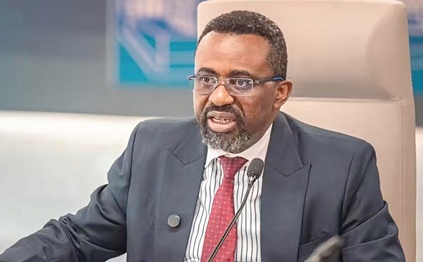
Presenting its position at a press conference in Accra on Tuesday, November 17, 2026, Justice Joshua Yaw Cobbinah, President of WPN, said the proposed conditions should apply to the renewal, reallocation or negotiation of mining leases within Wassa, beginning with the Tarkwa mine lease operated by Gold Fields Ghana Limited.
The group said the 10 per cent equity interest should be free-carried and held through an accountable Wassa Trust Fund on behalf of host communities, with voting rights and representation on the boards of mining companies.
It also wants 2 per cent of gross mineral sales revenue paid quarterly into the proposed trust fund, without deductions for operating costs, debts or management fees.
 Justice Joshua Yaw Cobbinah, President of WPN
Additionally, the WPN is demanding formal representation of Wassa communities, including through the network, in mining lease transition arrangements, relevant negotiations and the governance structures of future mining operations in the area.
“Our three demands are clear: 10% Protected Host Community Equity, with voting rights and board representation. 2% of Gross Mineral Sales Revenue, paid directly into an accountable Wassa Trust Fund. Formal Host Community Representation in mining transition arrangements and governance structures.
“These demands are proposed as additional benefits, not substitutes for statutory royalties, taxes, lawful compensation, environmental restoration obligations or existing community development commitments,” the group added.
The network argued that communities whose lands have sustained mining operations for generations have borne high social, economic, cultural and environmental costs but lack a guaranteed equity stake in the wealth generated.
It said the Tarkwa mine lease renewal presented an opportunity to address what it described as an imbalance in the ownership, governance and distribution of benefits from Ghana’s mineral resources.
“The people whose ancestral lands host that wealth must also own a meaningful part of the prosperity it creates,” the WPN said.
The group cited the economic significance of the Tarkwa mine as a major justification for its demands, pointing to Gold Fields’ November 2025 Mineral Resources and Mineral Reserves declaration.

According to the WPN, the mine’s managed mineral reserves increased from 4.3 million ounces in 2024 to 7.4 million ounces in 2025, while attributable reserves, after the government’s 10 per cent free-carried interest, rose from approximately 3.8 million to 6.6 million ounces.
While acknowledging the company’s contribution to the national economy and host communities, the WPN argued that employment, procurement, compensation and corporate social responsibility were not sufficient substitutes for direct ownership and participation in mining operations.
The WPN further justified its demands by pointing to the long-term effects of mining on agriculture, livelihoods, settlements, the environment and cultural heritage in Wassa.

According to the network, the losses suffered by host communities cannot be fully addressed through compensation alone.
“The people of Wassa deserve more than compensation for what they lose. They deserve an enduring stake in the wealth their lands produce,” it stated.
The network urged the government, Parliament, the Minerals Commission, Gold Fields Ghana Limited, traditional authorities and civil society organisations to engage with its proposals.



No comments yet. Start the conversation.