
By Onyeka Ezike
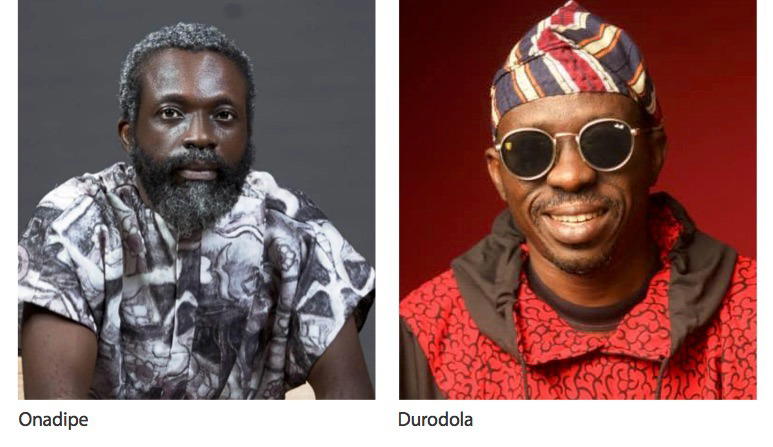
Alexis Galleries is set to present “The Stories We Left Behind,” a dual exhibition showcasing the works of Olumide Onadipe and Yusuf Durodola. The exhibition, themed “The Stories We Left Behind,” will explore memories of the past, identity, human existence, and the significance of materials often overlooked or discarded as waste by society. The dual exhibition will bring together two distinct artistic perspectives on how personal experiences, cultural values, and collective histories shape human existence and influence future generations. The exhibition will run from November 14 to 28, 2026, at Alexis Galleries in Victoria Island, Lagos.
The exhibition will feature five amazing works from Olumide Onadipe and three works from Yusuf Durodola. Onadipe’s works titled “Portrait of a Family,” “In Between,” and “Ori” reflect his family, lineage, and inner becoming. His works treat memory as passages and spirit, where the notion of Ori holds lived experience and shapes generational perception, human purpose, fate, and destiny. Meanwhile, Durodola interrogates existence through painting, performance, and upcycled art, transforming discarded papers, plastics, and cords into richly textured meditations. His recent mixed-media works reframe waste as forgotten values, concealed histories, and unrealized possibilities. Through their works, the two artists examine appearance and essence, materiality and spirituality, and destruction and renewal, inviting viewers to see beyond what is and listen to the stories we left behind.
Curated by Uche Obasi, the exhibition explores memory, identity, human existence, and the significance of materials that society often overlooks or discards. It examines the relationship between what people preserve, what they abandon, and the stories that remain embedded in objects and everyday materials. The show brings together paintings, mixed-media works, installations, and performances, inviting viewers to reconsider their understanding of history, spirituality, and the environment.
The founder of the gallery, Patty Chidiac-Mastrogiannis, said that the exhibition considers how stories survive in memory, matter, and material—what we carry, what we discard, and what returns to guide us. Onadipe’s works reflect on family, lineage, and inner becoming.
She said, “In one of his works titled Portrait of a Family, In Between, and Ori, his works treat memory as passages and spirit, where the notion of Ori holds lived experience and shapes generational perception, human purpose, fate, and destiny,” she added.
“Durodola’s works interrogate existence through painting, performance, and upcycled art, transforming discarded papers, plastics, and cords into richly textured meditations. His recent mixed-media works reframe waste as forgotten values, concealed histories, and unrealized possibilities. Together, they examine appearance and essence, materiality and spirituality, and destruction and renewal, inviting viewers to see beyond what is and listen to the stories we left behind,” she noted.
The exhibition is sponsored by Coca-Cola, The Macallan Highland Single Malt Scotch Whisky, Art Café by Alexis Galleries, Schweppes, Saffron Moroccan Taste, Gin Mare Mediterranean Gin, Aina Blankson Global, The Guardian, Tiger Beer, and Mikano International Limited. The gallery was founded by Patty Chidiac-Mastrogiannis.
In an interview, Onadipe said the exhibition is a collaboration with Durodola that documents contemporary life while highlighting the experiences of earlier generations and the future of those to come. Each artist, he added, approaches the theme from his own perspective.
Onadipe’s practice centres on alternative materials, including sachets and newspapers, which he transforms into visual expressions. According to him, materials that have passed through human hands carry stories about their users and the circumstances of their existence. He will present five works.
His major piece, “Portrait of a Family,” examines the changing structure of family relationships and the gradual disappearance of communal values. He observed that the belief that it takes a community to raise a child appears to be losing relevance as families increasingly operate in isolation. He argued that the weakening of extended family ties and communal responsibility has fed dysfunctional families and, by extension, a dysfunctional society. The work asks viewers whether earlier generations were more secure, morally grounded, and socially responsible, despite today’s technological advances.
“In Between” explores the relationship between the past, present, and future. Onadipe described human existence as a continuous process of transition, shaped by technological developments, social experiences, and changing realities. The work also examines the intersection of life and death, isolation and joy, leaving viewers to interpret its symbols, colours, shapes, and textures through their own experiences.
His third work, “Ori,” draws on the Yoruba concept of the inner head, which represents an individual’s spiritual essence and personal destiny. He described Ori as a sacred element of existence that carries a person’s path before it manifests physically. His interpretation, he said, goes beyond the physical, presenting Ori as a repository of memory, history, purpose, and destiny.
For Durodola, the exhibition is an opportunity to challenge conventional perceptions of waste. He argued that materials are not waste until people decide they have no further use, adding that what society discards may still hold undiscovered possibilities.
His practice combines painting, performance, and upcycled art, using plastic bags, paper offcuts, discarded computer casings, and other items associated with printing and graphics production. Drawing on his background as a graphics professional and printer, he said he became interested in how materials once considered useless can acquire new value when viewed differently. He recalled that printing offcuts once regarded as waste were later repurposed, showing that an object’s value changes with how people perceive and use it. He will present nine works.
Among them, “What Did You Hear, What Did You See, and What Did You Say?” uses plastic bags to raise questions about perception and communication and about the gap between what people hear and what they see. Durodola said the piece encourages viewers to look beyond information received from others and form their own understanding through observation.
“Communal” uses colours, shapes, lines, and forms to convey the importance of collective responsibility and peaceful coexistence. According to him, its elements cannot achieve meaningful harmony without a communal ideology that recognizes the importance of living together.
His installation and performance piece, “Mummy Imoh,” will be performed jointly with Onadipe and will involve members of the audience. It explores the relationship between technology, human consciousness, and interpersonal relationships, encouraging participants to examine how well they understand the technology they meet daily and how their interactions shape their identities. Durodola said the work challenges people to question what they believe they know and to pay closer attention to the things that influence their individual and collective experiences.
The theme, “The Stories We Left Behind,” seeks to prompt conversations about memory, family, spirituality, environmental consciousness, and the responsibilities people owe future generations. Through their differing approaches, the artists aim to remind audiences that the past is never entirely lost, as its stories live on in people, objects, memories, and the materials around them.



No comments yet. Start the conversation.