
Recent discussions about Zambia’s political landscape have generated conversations on social media about the role of religious beliefs and prophetic declarations in public discourse.
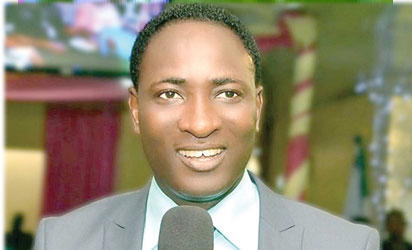
Some social media users have shared comments reflecting on earlier statements attributed to Nigerian cleric, Senior Prophet Jeremiah Omoto Fufeyin, concerning Zambia’s political future.
The online reactions have drawn attention to how individuals interpret religious messages and relate them to developments in public affairs.
One user, @grace_nna200, commented on the renewed discussions surrounding the cleric’s earlier statements.
Similarly, @Yusuf_2030 wrote: “God alone knows tomorrow. More grace to Prophet Jeremiah,” expressing goodwill towards the cleric.
Another user, @bolati_to20, also shared a reaction suggesting renewed interest in the earlier comments.
The responses reflect the personal views of the social media users and their interest in discussions about faith, prophecy and political developments.
Prophetic declarations concerning political affairs often attract different interpretations among religious followers. While some regard them as expressions of spiritual conviction, others consider their interpretation a matter of personal belief.
The renewed online conversations have also highlighted the broader interest in the relationship between religion and public affairs, particularly when discussions involve political leadership and the future of nations.
However, the social media reactions do not independently establish the accuracy or fulfilment of any prophetic declaration.
The discussions therefore remain expressions of individual opinions and religious perspectives on Zambia’s political developments.




No comments yet. Start the conversation.